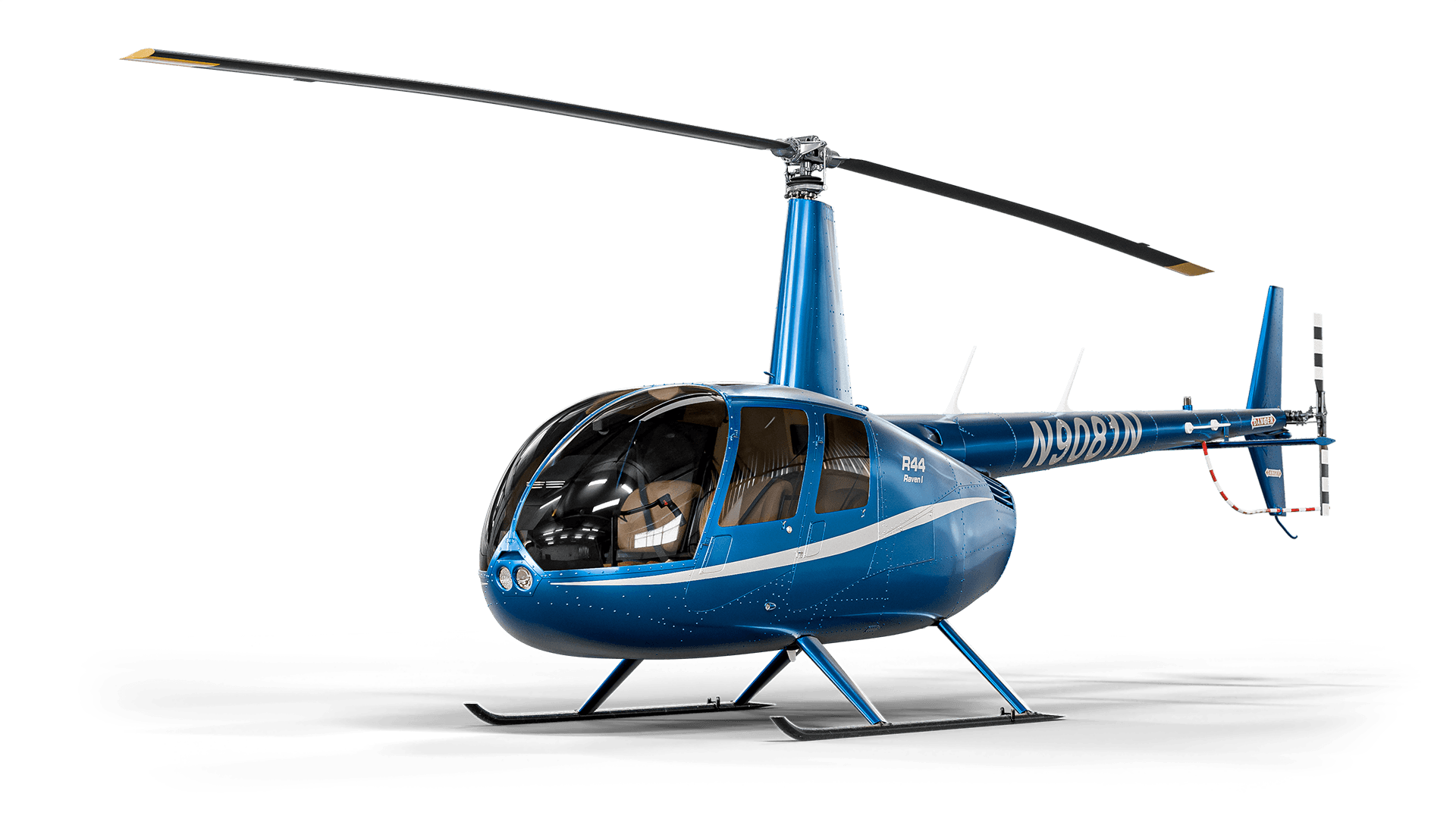
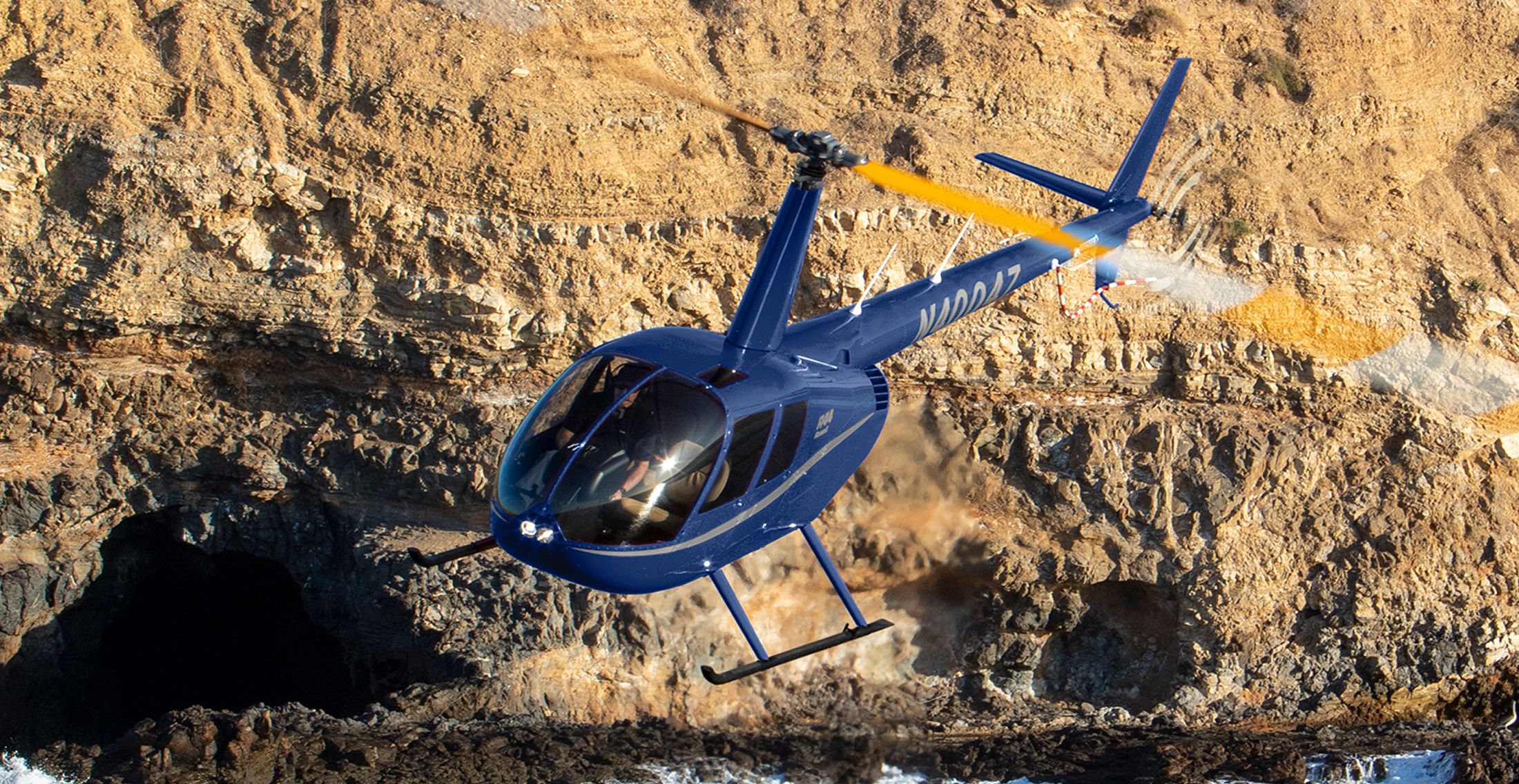
Robinson R44 Helicopter

Robinson Flight Operations

Professional tools for R22 & R44 pilots
Loading...
-- KSME - Lake Cumberland Regional

Current Weather

Loading METAR...
Temp --
Dewpoint --
Wind --
Visibility --
Ceiling --
Altimeter --
Density Alt --
Carb Ice --
Updated: --

VFR Legal Times

🌅 Civil Twilight --
-- Time Remaining --
🌇 Civil Twilight --
Sunrise: -- | Sunset: --

Flight Timer

00:00:00
Hobbs: 0.0

Flight Conditions

Loading weather data...

TFRs (50nm) 0

Loading TFRs...

Nearby Airports

Loading airports...
Updated: --

Pilot Currency --

Medical NOT SET --
Flight Review NOT SET --
SFAR 73 NOT SET --
Day (90d) -- --
Night (90d) -- --
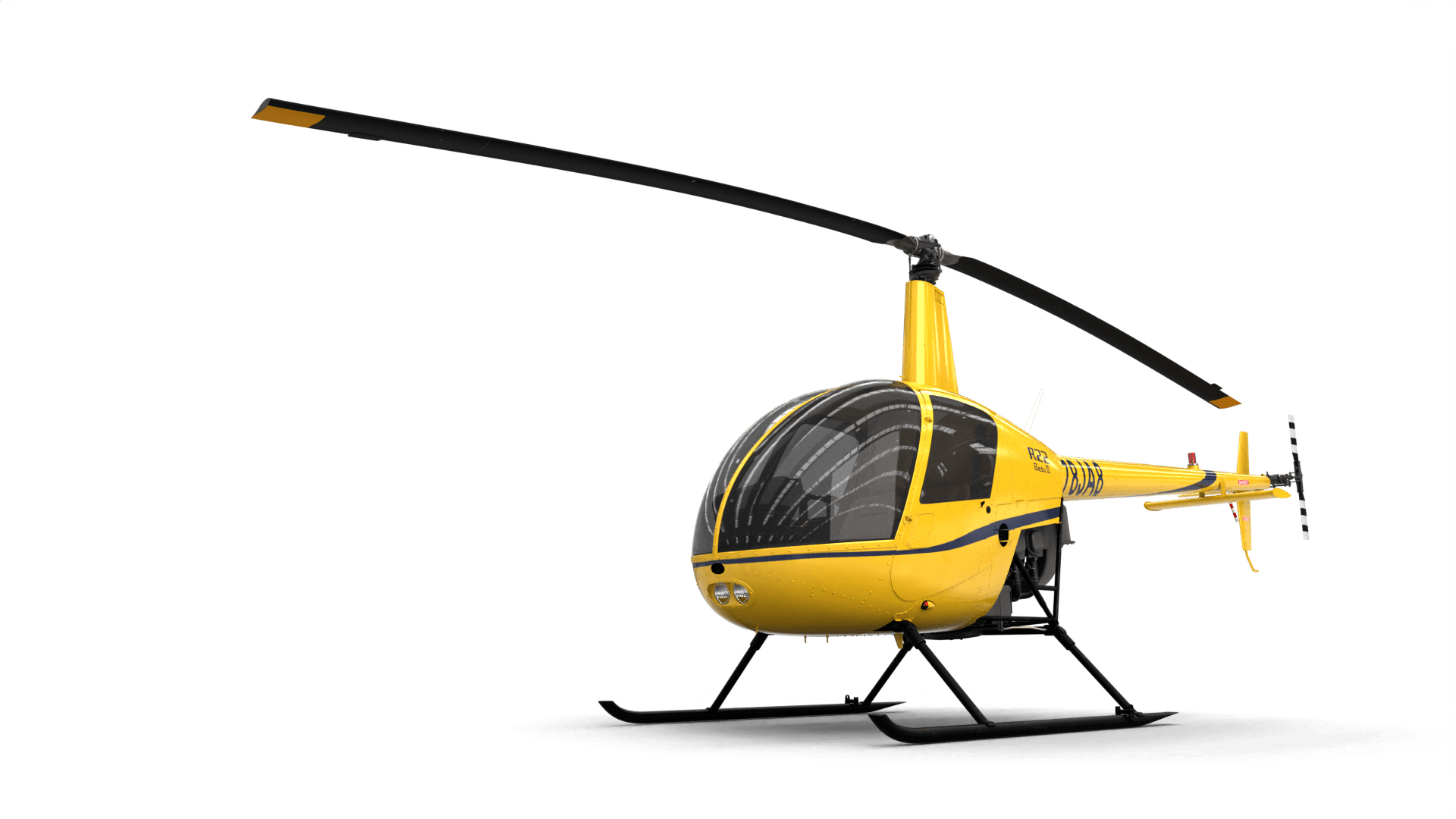
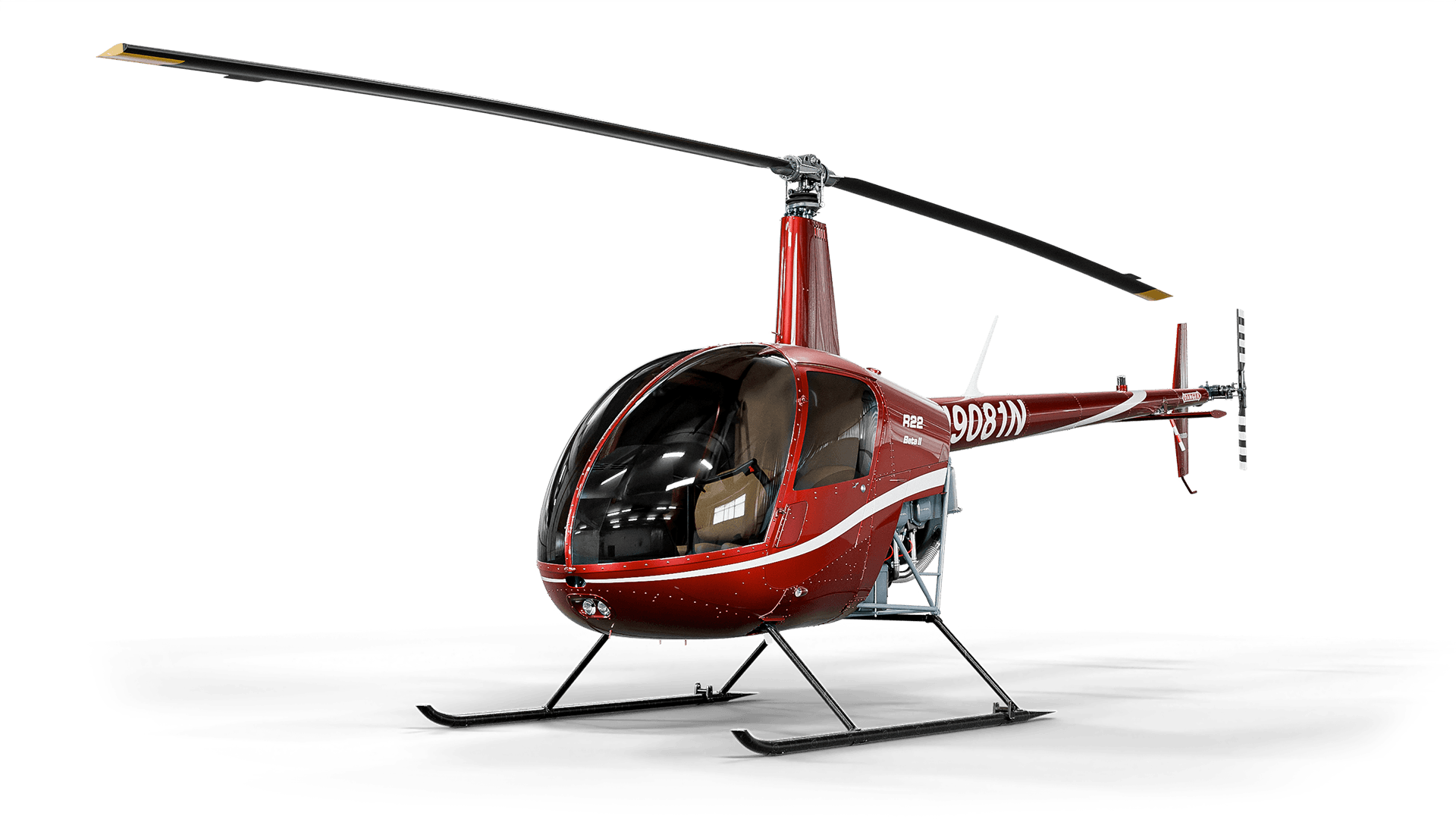
Robinson R22 Beta II

R22 Beta II

Two-seat trainer & light utility

1,370
Max lbs
102
Vne KIAS
19.2
Fuel gal
Robinson R44 Raven II

R44 Raven II

Four-seat touring & utility

2,500
Max lbs
130
Vne KIAS
48.5
Fuel gal

Aircraft Specifications

R22 Beta II Performance Data

Quick Specs

Max Gross Weight 1,370 lbs
Empty Weight 856 lbs
Useful Load 514 lbs
Fuel Capacity 19.2 gal
Service Ceiling 14,000 ft
Rate of Climb 1,000+ fpm

Speed Limits

Vne (Sea Level) 102 KIAS
Vno (Max Cruise) 85 KIAS
Vy (Best ROC) 53 KIAS
Vx (Best Angle) 45 KIAS
Auto Best Glide 65 KIAS

Vne Calculator

102
KIAS Maximum

Hover Ceilings

8,600
IGE (ft)
In Ground Effect
6,400
OGE (ft)
Out of Ground Effect

Engine Data

Engine O-360-J2A
Horsepower 145 HP
RPM Range 97-104%
Fuel Burn 8.0 GPH
Helicopter cockpit

Weight & Balance

Calculate your loading and verify CG is within limits

Weight & Balance Calculator

Within Limits

Loading Configuration

1,151
Total lbs
99.8
CG (in)
114.9K
Moment

Performance Calculator

Calculate hover ceilings and performance limits

Performance Inputs

8,600
IGE Ceiling
6,400
OGE Ceiling
102
Current Vne
YES
Can Hover OGE?

Fuel Planning

2.4
Endurance (hr)
2.1
Usable (hr)
185
Range (nm)
162
Safe Range (nm)
Blue sky

Height-Velocity Diagram

Know your avoid areas for safe autorotation

Height-Velocity Diagram (Dead Man's Curve)

Avoid Area - Insufficient altitude/airspeed
Safe Operating Area

Recommended Procedures:

  • Climb vertically to 8 ft, accelerate through 52 KIAS before 425 ft AGL
  • Maintain 52+ KIAS until below 8 ft AGL or landing assured

Pre-Flight Checklist

Complete all items before flight

R22 Pre-Flight Inspection

0%
Red helicopter

Emergency Procedures

Critical procedures for emergency situations

Engine Failure in Flight
  1. Lower collective IMMEDIATELY
  2. Establish autorotation: 65 KIAS
  3. Maintain RPM in green arc (97-104%)
  4. Select landing area (into wind)
  5. Mayday call if time permits
CRITICAL: R22 has LOW INERTIA ROTOR - collective reduction must be IMMEDIATE!
Low Rotor RPM
  1. Lower collective IMMEDIATELY
  2. If RPM recovers, slowly raise collective
  3. Check governor, throttle, engine
WARNING: #1 cause of fatal R22 accidents
Mast Bumping / Low-G

Prevention:

  • Never push cyclic forward abruptly
  • Avoid low-G flight conditions
  • Reduce speed in turbulence
  1. Apply aft cyclic GENTLY
  2. Use collective to load rotor
  3. Reduce airspeed
WARNING: Mast bumping is unrecoverable
Governor Failure
  1. Assume manual throttle control
  2. Correlate throttle with collective
  3. Monitor RPM closely
  4. Land as soon as practical
Engine Fire in Flight
  1. Mixture - IDLE CUT OFF
  2. Fuel valve - OFF
  3. Enter autorotation
  4. Sideslip if needed to direct flames

Robinson Safety Tips (SFAR 73)

  • R22/R44 require specific awareness training
  • Flight review must include R22/R44 specific training
  • Solo students must receive energy management training
  • 200 hours PIC required to carry passengers (unless specific training)
  • React immediately to low RPM horn
  • Lower collective first, ask questions later
  • R22/R44 low-inertia systems decay rapidly
  • Practice throttle chops regularly
  • Most fatal R22 accidents involve low rotor RPM
  • Never push cyclic forward abruptly
  • Avoid turbulent conditions
  • Reduce speed in turbulence
  • During low-G, apply aft cyclic GENTLY
  • Mast bumping is almost always fatal
  • Low-G pushover leading to mast bumping
  • Exceeding low rotor RPM recovery time
  • Operating above performance capabilities
  • Loss of tail rotor effectiveness (LTE)
  • Wire strikes during low-altitude flight
  • Overconfidence in marginal conditions

Operating Limitations

Wind Limits

Max Crosswind 17 kts
Max Tailwind 17 kts
Student Max 12 kts

Maneuvering

Max Bank 30
Structural 60
Load Factor +1.5/-0.5G

Temperature

Max OAT 50C
Min OAT -30C

Restrictions

Icing NO
Aerobatics NO
Flight Rules VFR*

Personal LZ Manager

Save and manage your landing zones, obstacles, and approach notes

Saved Landing Zones

Density Altitude Timeline

48-hour DA forecast - Find the best time to fly

Loading forecast...
Excellent (<2,000')
Good (2-4,000')
Caution (4-6,000')
Warning (6-8,000')
Danger (>8,000')
Loading...